
Ce printemps, les oiseaux chantent librement.
Aidez Oiseaux.net à rester libre, gratuit et sans pub.
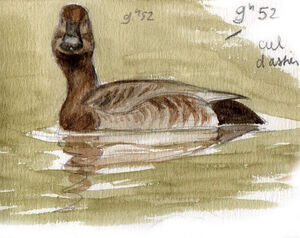
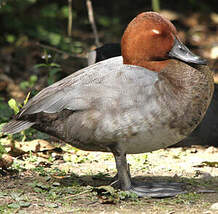
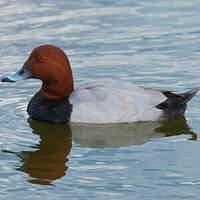
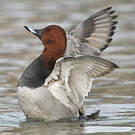
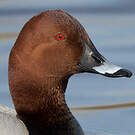
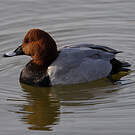
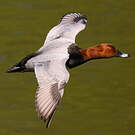
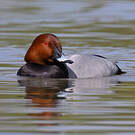
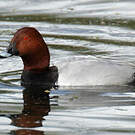
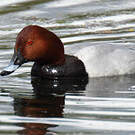
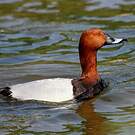
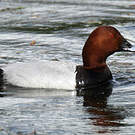
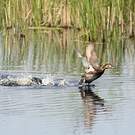
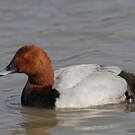
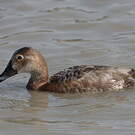
Common Pochard
Aythya ferina - Fuligule milouin
Systematics
-
Order:
Anseriformes
-
Family:
Anatidés
-
Genus:
Aythya
-
Species:
ferina
Descriptor
Biometrics
- Size: 58 cm
- Wingspan: 72 à 82 cm.
- Weight: 823 g
Longevity
10 years
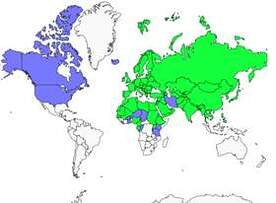
Geographic range

Identification
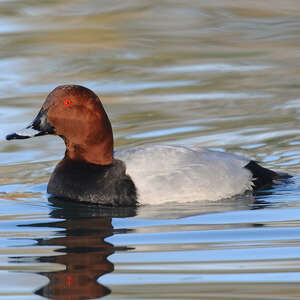
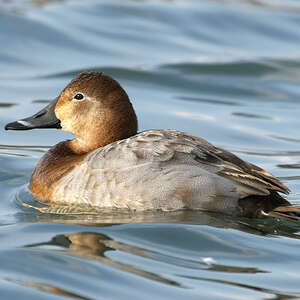
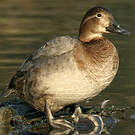
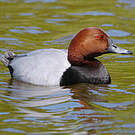
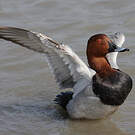
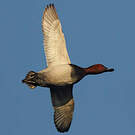
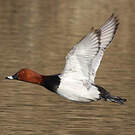
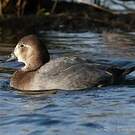
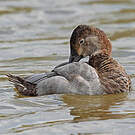
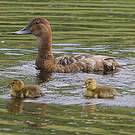
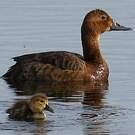
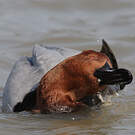
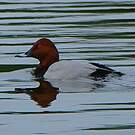
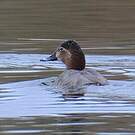
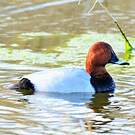
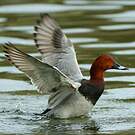
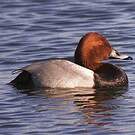
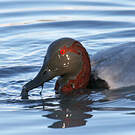
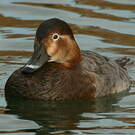
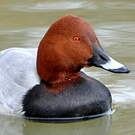
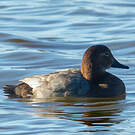
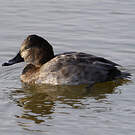
Common Pochard (Aythya ferina) is a species of bird in the Anatidae family.
Subspecific information monotypic species
Foreign names
- Fuligule milouin,
- Porrón europeo,
- zarro-comum,
- Tafelente,
- barátréce,
- Tafeleend,
- Moriglione,
- brunand,
- Taffeland,
- chochlačka sivá,
- polák velký,
- Taffeland,
- punasotka,
- morell cap-roig,
- Skutulönd,
- głowienka (zwyczajna),
- brūnkaklis,
- sivka,
- Красноголовый нырок,
- ホシハジロ,
- 红头潜鸭,
- เป็ดโปช้าดหลังขาว,
- 紅頭潛鴨,
Habitat
Wetlands (inland) : Permanent Rivers/Streams/Creeks (includes waterfalls), Bogs, Marshes, Swamps, Fe
Threats - protection
IUCN conservation status
Extinct
Threatened
Least
concern
concern
Extinc
in the Wild
in the Wild
Near
threatened
threatened
Not
evaluated
evaluated
EX
EW
CR
EN
VU
NT
LC
NE
Sources of information
- IOC World Bird List (v15.1), Gill, F and D Donsker (Eds). 2025-12-07.
Other sources of interest

- Accipitriformes
- Aegotheliformes
- Anseriformes
- Apodiformes
- Apterygiformes
- Bucerotiformes
- Caprimulgiformes
- Cariamiformes
- Casuariiformes
- Charadriiformes
- Ciconiiformes
- Coliiformes
- Columbiformes
- Coraciiformes
- Cuculiformes
- Eurypygiformes
- Falconiformes
- Galliformes
- Gaviiformes
- Gruiformes
- Leptosomiformes
- Mesitornithiformes
- Musophagiformes
- Nyctibiiformes
- Opisthocomiformes
- Otidiformes
- Passeriformes
- Pelecaniformes
- Phaethontiformes
- Phoenicopteriformes
- Piciformes
- Podargiformes
- Podicipediformes
- Procellariiformes
- Psittaciformes
- Pterocliformes
- Rheiformes
- Sphenisciformes
- Steatornithiformes
- Strigiformes
- Struthioniformes
- Suliformes
- Tinamiformes
- Trogoniformes